Article Summary
A scissor lift is a widely used aerial work platform designed to provide stable vertical access for construction, maintenance, warehousing, and industrial operations. This article explains how scissor lifts work, their core components, key types, safety considerations, and buying guidance. It also addresses common customer pain points such as operational safety, load limitations, terrain adaptability, and maintenance efficiency, helping decision-makers choose the right solution for long-term productivity.
1. Understanding the Need for Scissor Lifts
Modern industrial environments demand safe and efficient elevated work solutions. Traditional ladders and scaffolding often fail to provide stability, productivity, and safety compliance in high-intensity operations. Scissor lifts solve these challenges by offering a controlled vertical lifting platform that improves worker safety while increasing operational efficiency.
Industries such as logistics, construction, manufacturing, and facility management increasingly rely on scissor lifts to reduce downtime and minimize workplace accidents associated with unstable elevation tools.
2. What Is a Scissor Lift?
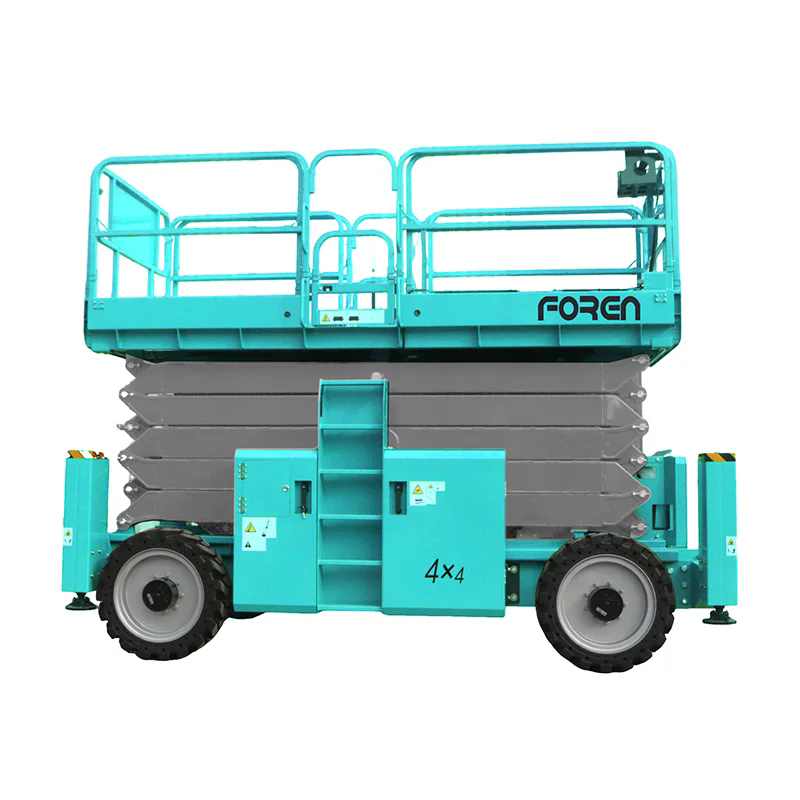
A scissor lift is a mechanical platform that moves vertically using a crisscross (scissor-like) folding support system. When hydraulic, pneumatic, or electric force is applied, the linked supports extend upward, raising the platform smoothly.
The design ensures stability even at significant heights, making it suitable for tasks requiring precision and safety, such as electrical installations, overhead maintenance, and inventory handling in warehouses.
3. How a Scissor Lift Works
The working mechanism of a scissor lift is based on a simple yet powerful principle of mechanical extension. The system typically includes:
-
Base frame for structural stability
-
Cross-linked scissor arms
-
Hydraulic or electric actuator
-
Platform deck for workers and tools
When the actuator is activated, hydraulic fluid or electric power pushes the scissor arms apart, raising the platform vertically. Lowering is achieved by releasing pressure in a controlled manner, ensuring smooth descent without sudden drops.
This controlled motion reduces risk, improves precision, and enables operators to focus on tasks rather than platform instability.
4. Types of Scissor Lifts
Different operational environments require different scissor lift configurations. Selecting the correct type is essential for efficiency and safety.
-
Hydraulic Scissor Lifts: Common in industrial applications due to strong lifting capacity and smooth operation.
-
Electric Scissor Lifts: Ideal for indoor use with low noise and zero emissions.
-
Rough Terrain Scissor Lifts: Designed for outdoor construction sites with uneven ground and enhanced stability features.
-
Compact Scissor Lifts: Used in narrow spaces such as warehouses and retail environments.
5. Key Applications
Scissor lifts are versatile equipment used across multiple industries:
-
Building maintenance and repair
-
Warehouse inventory management
-
Electrical installation and servicing
-
Construction site operations
-
Event setup and lighting installation
Their adaptability makes them a critical tool in improving productivity while maintaining strict safety standards.
6. Safety Considerations
Safety is one of the most important aspects of scissor lift operation. While the equipment is designed for stability, improper use can still lead to risks. Operators must follow strict safety protocols to ensure accident-free operation.
-
Always check load capacity before use
-
Ensure platform is on stable and level ground
-
Wear safety harnesses when required
-
Inspect hydraulic and electrical systems regularly
-
Train operators thoroughly before use
Failure to follow these guidelines can lead to equipment malfunction or workplace injuries, especially in high-altitude operations.
7. Buying Guide and Common Pain Points
Choosing the right scissor lift can be challenging due to varying operational needs. Many buyers face common issues such as:
-
Uncertainty about load capacity requirements
-
Mismatch between indoor and outdoor usage conditions
-
High maintenance expectations
-
Limited platform size for specific tasks
To address these challenges, consider the following selection criteria:
-
Working Height: Determine maximum height requirements
-
Load Capacity: Evaluate combined weight of workers and tools
-
Environment: Indoor or outdoor usage conditions
-
Power Source: Electric, hydraulic, or hybrid systems
-
Mobility: Fixed or mobile platforms
A well-informed purchase decision significantly reduces downtime and improves long-term return on investment.
8. Maintenance and Operational Efficiency
Regular maintenance ensures long-term reliability and safe operation of scissor lifts. Poor maintenance is one of the leading causes of operational failure.
Key maintenance practices include:
-
Hydraulic fluid inspection and replacement
-
Structural integrity checks of scissor arms
-
Battery and power system monitoring
-
Lubrication of moving components
-
Routine safety system testing
Efficient maintenance planning reduces unexpected downtime and extends equipment lifespan, which is critical in high-demand industrial environments.
9. Comparison Table
|
Type
|
Best Use
|
Power Source
|
Key Advantage
|
|
Hydraulic Scissor Lift
|
Heavy industrial work
|
Hydraulic system
|
High lifting capacity
|
|
Electric Scissor Lift
|
Indoor maintenance
|
Battery-powered
|
Quiet and emission-free
|
|
Rough Terrain Scissor Lift
|
Outdoor construction
|
Diesel or hybrid
|
Stable on uneven surfaces
|
|
Compact Scissor Lift
|
Narrow indoor spaces
|
Electric
|
Space-efficient design
|
10. Frequently Asked Questions
Q1: What is the maximum height a scissor lift can reach?
Scissor lifts typically range from 6 meters to over 18 meters depending on the model and configuration.
Q2: Are scissor lifts safe for indoor use?
Yes, especially electric models designed for indoor environments with zero emissions and low noise levels.
Q3: How often should maintenance be performed?
Routine checks should be done daily before use, with comprehensive maintenance scheduled monthly or quarterly depending on usage intensity.
Q4: Can scissor lifts be used on rough terrain?
Yes, but only specialized rough terrain models are suitable for uneven outdoor conditions.
Q5: What industries benefit most from scissor lifts?
Construction, logistics, manufacturing, warehousing, and facility management industries benefit significantly from scissor lift usage.
11. Conclusion
Scissor lifts play a critical role in modern industrial operations by providing safe, stable, and efficient vertical access solutions. Understanding their structure, types, applications, and safety requirements helps businesses improve productivity while minimizing operational risks.
For high-quality lifting solutions designed for demanding environments, Foren offers reliable scissor lift systems engineered for performance, durability, and safety compliance across multiple industries.
If you are looking to enhance your operational efficiency and invest in dependable lifting equipment, contact us today to explore tailored solutions that match your specific requirements.