Article Summary
A Panoramic Elevator is more than a vertical transportation solution. It combines advanced elevator technology, architectural aesthetics, passenger comfort, and reliable performance to create a unique experience in commercial buildings, hotels, shopping centers, residential complexes, and public spaces. This article explains how panoramic elevators work, why they are becoming increasingly popular, what challenges they solve for building owners, and how to select the right solution for different applications.
With growing demand for attractive and efficient buildings, Ningbo Blue Fuji provides professional elevator solutions designed to balance visual appeal, safety, energy efficiency, and long-term operational reliability. Understanding the advantages and application considerations of panoramic elevators can help customers make better decisions when planning modern vertical transportation systems.
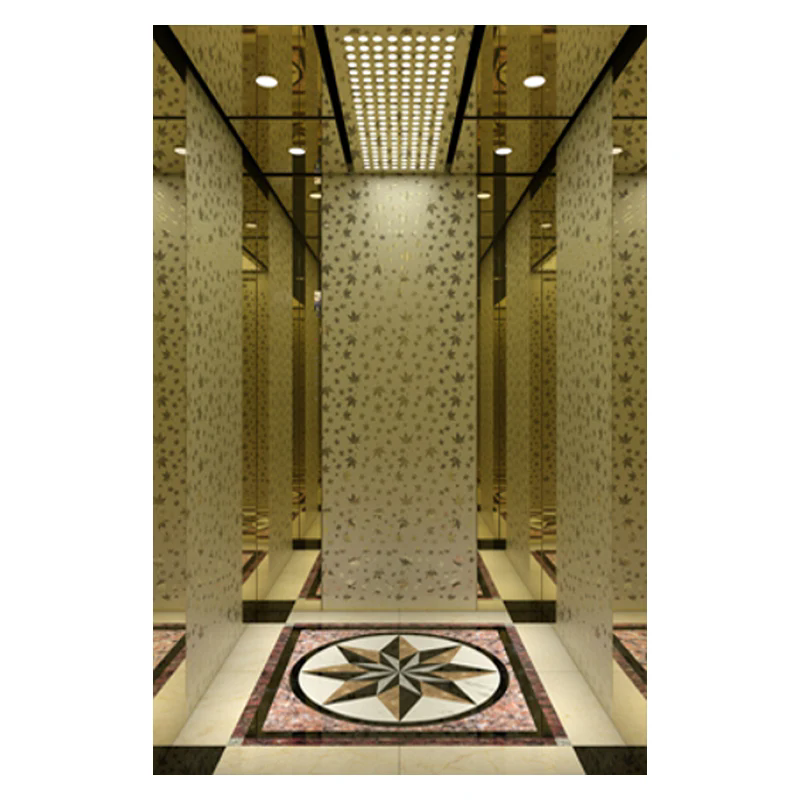
What Is a Panoramic Elevator?
A Panoramic Elevator is a type of elevator designed with transparent or semi-transparent cabin structures, allowing passengers to enjoy surrounding views during transportation. Unlike traditional enclosed elevators, panoramic elevators integrate glass panels, modern materials, and customized designs to become part of the building's visual identity.
These elevators are commonly installed in locations where appearance and passenger experience are important, including hotels, office buildings, shopping malls, tourist attractions, museums, airports, and luxury residential projects.
The main purpose of a panoramic elevator is not only moving people between floors but also improving the overall atmosphere of a building. A well-designed panoramic elevator can become an architectural highlight that attracts visitors and enhances property value.
|
Feature
|
Description
|
|
Glass Cabin Design
|
Provides open views and creates a modern visual experience.
|
|
Customized Structure
|
Can be adapted to different building layouts and architectural styles.
|
|
Passenger Comfort
|
Offers a smoother and more enjoyable riding experience.
|
|
Modern Appearance
|
Enhances the aesthetics of commercial and public buildings.
|
How Does a Panoramic Elevator Work?
A panoramic elevator operates based on the same fundamental principles as conventional elevators while incorporating special cabin structures and visual components. The elevator system uses traction machines, control systems, guide rails, safety devices, and drive technology to ensure stable movement between floors.
The transparent cabin is usually made with high-strength glass materials that provide visibility while maintaining passenger safety. Advanced manufacturing technology allows the elevator cabin to achieve both structural strength and aesthetic quality.
The operation process generally includes several key stages:
-
The passenger selects a destination floor through the control panel.
-
The elevator control system calculates the most efficient movement route.
-
The traction system drives the elevator cabin smoothly upward or downward.
-
Safety systems continuously monitor speed, position, and operating conditions.
-
The elevator stops accurately at the requested floor.
For buildings requiring premium appearance and dependable performance, Ningbo Blue Fuji focuses on integrating advanced elevator technologies with customized design solutions to meet different project requirements.
Why Are Panoramic Elevators Popular in Modern Buildings?
Modern architecture increasingly emphasizes user experience. Buildings are no longer judged only by functionality but also by atmosphere, design, and emotional connection. Panoramic elevators satisfy this demand by transforming ordinary transportation into an engaging experience.
|
Application Area
|
Why Panoramic Elevators Are Suitable
|
|
Hotels
|
Create a premium guest experience and improve interior design value.
|
|
Shopping Centers
|
Attract customer attention and improve visitor circulation.
|
|
Office Buildings
|
Provide a modern and professional building image.
|
|
Tourist Facilities
|
Allow visitors to enjoy surrounding scenery during transportation.
|
Another important advantage is flexibility. Panoramic elevators can be customized according to different building environments. Designers can choose different cabin shapes, glass configurations, finishes, and layouts to match architectural requirements.
What Customer Problems Can a Panoramic Elevator Solve?
Building owners often face several challenges when selecting elevator systems. A traditional elevator may provide transportation functions but fail to support the visual identity and user experience of modern buildings.
1. Improving Building Appearance
Many commercial buildings require unique design features to stand out. A panoramic elevator can serve as an attractive architectural element instead of a hidden utility system.
2. Enhancing Passenger Experience
Passengers often feel uncomfortable in small enclosed spaces. Transparent elevator cabins create a more open environment and reduce the feeling of confinement.
3. Increasing Property Value
Premium facilities can improve the overall image of a building. A visually impressive elevator system can contribute to better visitor impressions and higher market competitiveness.
4. Meeting Customized Project Requirements
Different buildings have different requirements regarding capacity, speed, appearance, and installation conditions. Professional manufacturers can provide solutions based on specific project needs.
How to Design the Right Panoramic Elevator Solution?
Selecting a suitable panoramic elevator requires careful consideration of building conditions, passenger flow, safety requirements, and aesthetic goals. A successful elevator project should combine engineering performance with architectural harmony.
-
Analyze Building Structure: Evaluate available space, shaft dimensions, and installation conditions.
-
Determine Passenger Requirements: Consider traffic volume, capacity, and operating frequency.
-
Select Suitable Materials: Choose durable glass, cabin finishes, and components according to application needs.
-
Consider Energy Efficiency: Modern elevator systems should reduce energy consumption while maintaining performance.
-
Plan Maintenance Access: Ensure convenient inspection and servicing after installation.
Ningbo Blue Fuji works with customers to develop elevator solutions that combine practical performance with customized design concepts, helping projects achieve both functional and visual goals.
Key Factors to Consider Before Installation
Before investing in a panoramic elevator, customers should evaluate several important factors:
-
Safety Performance: Safety systems, emergency functions, and quality components are essential.
-
Manufacturing Quality: Reliable production processes influence elevator durability.
-
Design Compatibility: The elevator should match the overall architectural style.
-
Operating Environment: Indoor and outdoor installations may require different specifications.
-
After-Sales Support: Professional technical support helps maintain stable operation.
How to Maintain a Panoramic Elevator for Long-Term Performance?
Regular maintenance is necessary to ensure safe and efficient elevator operation. Although panoramic elevators are designed for reliability, continuous inspection helps prevent unexpected downtime and extends service life.
|
Maintenance Item
|
Recommended Action
|
|
Safety System Inspection
|
Check emergency devices, sensors, and protection systems.
|
|
Mechanical Components
|
Inspect traction systems, guide rails, and moving parts.
|
|
Glass Surface Maintenance
|
Clean and inspect glass panels regularly.
|
|
Control System Testing
|
Verify software and electrical components operate correctly.
|
Professional maintenance not only improves safety but also protects the appearance and investment value of the elevator system.
Frequently Asked Questions About Panoramic Elevators
Q1: Are panoramic elevators safe?
Yes. Panoramic elevators use specially designed safety glass and complete elevator protection systems. Their transparent design does not reduce safety when manufactured and installed according to proper standards.
Q2: Where can panoramic elevators be installed?
They are suitable for hotels, shopping malls, office buildings, residential developments, sightseeing areas, and many other architectural environments.
Q3: Can panoramic elevators be customized?
Yes. Customers can customize cabin design, glass configuration, capacity, speed, and appearance according to project requirements.
Q4: Do panoramic elevators require special maintenance?
The maintenance process is similar to standard elevators, but additional attention may be given to glass panels, appearance components, and customized structures.
Q5: Why choose Ningbo Blue Fuji for panoramic elevator solutions?
Ningbo Blue Fuji provides professional elevator solutions with attention to safety, reliability, design flexibility, and customer requirements. The company focuses on delivering products suitable for modern architectural applications.
Conclusion
A Panoramic Elevator combines advanced elevator technology with modern architectural design to create a transportation solution that improves both functionality and user experience. By providing transparency, customization options, and attractive appearance, it has become an important choice for many commercial and public buildings.
Choosing the right panoramic elevator requires consideration of safety, quality, design, maintenance, and long-term performance. With professional experience and customized solutions, Ningbo Blue Fuji helps customers create elevator systems that meet modern building requirements.
If you are looking for a reliable panoramic elevator solution for your next project, Ningbo Blue Fuji is ready to provide professional support and customized services. Please contact us today to discuss your elevator requirements and discover the right solution for your building.