

How Do Hospital Elevators Enhance Patient Transport Efficiency?
2025-12-17
Hospital elevators are critical components of modern healthcare facilities, designed to transport patients, medical staff, and equipment safely and efficiently between floors. Unlike standard elevators, hospital elevators are engineered to handle higher loads, larger dimensions, and emergency scenarios, ensuring uninterrupted service in critical conditions. Optimized for speed, reliability, and hygiene, these elevators play a pivotal role in enhancing hospital workflow and patient care.
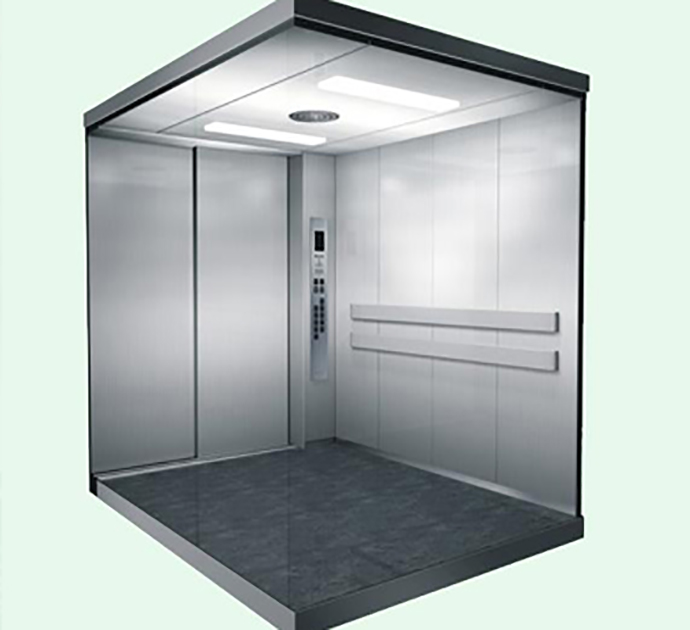
Hospital Elevator Specifications
To provide a clear understanding of the capabilities and design considerations, the key specifications of a standard hospital elevator are summarized in the table below:
| Specification | Details |
|---|---|
| Rated Load | 1,000 kg – 2,500 kg |
| Car Dimensions | Width: 1.6–2.2 m, Depth: 2.0–2.5 m |
| Travel Speed | 1.0–1.6 m/s |
| Door Type | Automatic sliding, stainless steel finish |
| Emergency Operation | Backup power supply, emergency intercom |
| Safety Features | Overspeed governor, buffer system, fire-rated doors |
| Control System | Microprocessor-based, touch-panel interface |
| Noise Level | ≤ 60 dB |
| Flooring Options | Anti-slip, antimicrobial surfaces available |
| Optional Features | Oxygen supply integration, stretcher-friendly design |
These specifications highlight the hospital elevator's capability to safely accommodate stretchers, medical equipment, and multiple passengers while ensuring compliance with health and safety standards.
How Can Hospital Elevators Improve Emergency Response Times?
One of the most critical functions of hospital elevators is facilitating rapid patient movement during emergencies. Unlike regular elevators, hospital elevators are equipped with priority control systems that override standard traffic management, allowing immediate transport of critical patients. High-capacity lifts reduce congestion in multi-story facilities, while advanced control logic ensures smooth operation even during peak usage periods.
Hospitals often implement specialized scheduling algorithms for elevator dispatch, ensuring that the closest available lift responds to emergency calls. Modern hospital elevators also integrate with facility management systems, providing real-time status updates and predictive maintenance alerts to prevent downtime. This ensures that patient care is never compromised by equipment failure or inefficient operation.
How Do Hospital Elevators Ensure Safety and Hygiene Standards?
Safety and hygiene are paramount in healthcare environments. Hospital elevators incorporate multiple design features to maintain these standards:
-
Infection Control: Elevator interiors use antimicrobial surfaces and easy-to-clean panels to reduce pathogen transmission.
-
Passenger Safety: Overspeed governors, emergency brakes, and buffer systems ensure controlled operation even during sudden stops.
-
Power Reliability: Backup power systems maintain elevator operation during power outages, ensuring that patients on stretchers can be transported without delay.
-
Accessibility: Wider doors, smooth floor transitions, and minimal vibration reduce risks for patients and staff while transporting sensitive equipment.
These safety measures are backed by regulatory compliance with international standards, such as ISO 25745 for energy efficiency and EN 81 for elevator safety.
Hospital Elevator FAQs
Q1: What is the typical maintenance schedule for hospital elevators?
A1: Hospital elevators require monthly inspections for mechanical components, quarterly safety tests for brakes and buffers, and annual comprehensive checks for control systems and electrical components. Predictive maintenance software can also monitor usage patterns and alert facilities managers to potential issues before they lead to downtime.
Q2: Can hospital elevators accommodate specialized equipment like MRI or CT-compatible stretchers?
A2: Yes. Modern hospital elevators are designed with sufficient width, height, and load capacity to transport specialized equipment. Optional features include reinforced flooring, non-magnetic materials, and custom interior layouts to ensure compatibility with sensitive medical devices while maintaining patient comfort and safety.
Future Outlook for Hospital Elevators
Healthcare facilities are increasingly adopting smart technologies to improve elevator efficiency and patient outcomes. Predictive maintenance, energy-efficient drives, and IoT-enabled monitoring are becoming standard features in next-generation hospital elevators. In addition, elevator designs are evolving to accommodate larger loads, multi-functional uses, and enhanced automation, aligning with the growing complexity of modern medical facilities.
With these trends, hospitals can ensure uninterrupted patient transport, reduce operational costs, and meet stringent safety and hygiene standards. Leveraging technology in hospital elevators not only improves patient care but also optimizes overall facility management.
Hospital elevators remain an indispensable part of healthcare infrastructure, balancing functionality, safety, and hygiene. Ningbo Blue Fuji is committed to delivering high-performance hospital elevators tailored to the specific needs of modern hospitals. For further information on specifications, installation, and customization options, please contact us.