

Top Copper Pipe Solutions for Durable Plumbing and Efficient Water Flow
2026-01-15
When you think about the backbone of a reliable plumbing system, what material comes to mind? For decades, copper has stood out as the go-to choice for pipes—and for good reason. Its durability and ability to ensure efficient water flow make it a cornerstone in both residential and commercial settings. In this blog, we’ll dive into the top copper pipe solutions that not only meet these standards but also exceed expectations, offering longevity and performance that can save time and money in the long run. As you explore these options, consider the innovations from Jiangsu Baowu New Materials, a brand leading the way with advanced materials that redefine what’s possible in plumbing. Ready to upgrade your system? Let’s get started.
Superior Corrosion Resistance for Long-lasting Copper Pipe Durability
One of the standout features of our copper pipes is their exceptional corrosion resistance, which directly contributes to their impressive durability. Unlike many materials that degrade over time due to environmental factors, copper naturally forms a protective patina layer when exposed to air and moisture. This self-healing barrier effectively shields the underlying metal from further oxidation, ensuring that the pipes maintain their structural integrity for decades without significant wear or weakening.
This built-in defense mechanism means that our pipes are less prone to issues like pitting, rust, or scale buildup, common problems in other piping systems. As a result, they deliver consistent performance in both residential and commercial settings, whether handling potable water, heating systems, or industrial fluids. Homeowners and contractors alike appreciate how this resilience translates into fewer repairs and a longer lifecycle, reducing overall maintenance costs and environmental impact over time.
Moreover, the corrosion resistance isn't just about longevity—it also enhances safety and water quality. By preventing metal leaching or contamination, our copper pipes ensure that the water flowing through remains clean and safe for consumption. This makes them a reliable choice for applications where purity is paramount, such as in healthcare facilities or food processing plants, giving users peace of mind alongside enduring functionality.
Optimized Diameter Sizing to Maximize Water Flow Efficiency
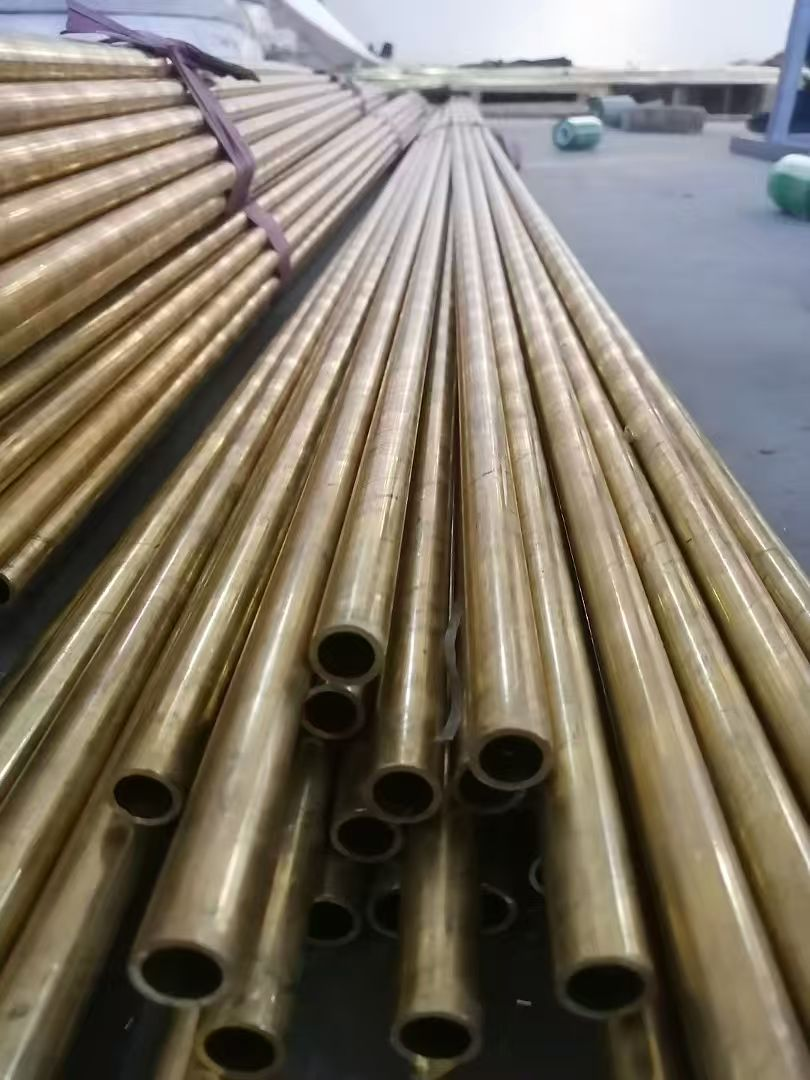
When it comes to improving water flow in pipelines, many people first think of increasing pump power or using smoother materials. However, the often-overlooked factor of pipe diameter sizing plays a critical role in maximizing efficiency. By carefully selecting the optimal diameter, engineers can significantly reduce energy losses due to friction and turbulence, ensuring that water moves more swiftly and with less resistance throughout the system. This approach not only enhances performance but also extends the lifespan of your infrastructure by minimizing wear and tear.
What sets optimized diameter sizing apart from other methods is its focus on the balance between flow velocity and pressure. Too narrow a pipe might increase velocity but at the cost of higher friction and potential for clogs, while an oversized diameter could lead to sluggish flow and wasted energy. Through hydraulic modeling and real-world testing, experts can pinpoint the sweet spot where diameter supports smooth, efficient water movement without unnecessary strain on pumps or pipes, making it a tailored solution for specific applications from municipal water supply to industrial processes.
Beyond just technical benefits, adopting optimized diameter sizing contributes to broader sustainability goals. By improving flow efficiency, it reduces the energy needed for pumping, which in turn lowers operational costs and environmental impact. This method encourages a proactive approach to system design, moving away from one-size-fits-all solutions to create more resilient and resource-conscious networks that handle varying demands with ease.
Seamless Joint Technology for Leak-proof Plumbing Installations
Forget the days when plumbing joints were the weakest link in your system—seamless joint technology is changing the game. Unlike traditional methods that rely on multiple fittings and sealants, this approach creates a continuous, uniform connection that leaves no room for error. It's like having a single, uninterrupted pipe where water flows smoothly, eliminating common weak points where leaks often start. This isn't just a minor upgrade; it's a fundamental shift in how we think about plumbing integrity, ensuring that installations hold up under pressure without compromising over time.
What sets seamless joint technology apart is its precision engineering and material science at work. By using advanced techniques, such as heat fusion or specialized adhesives, the joints bond at a molecular level, forming a connection that's as strong as the pipe itself. This means no more relying on gaskets or threads that can wear out or become misaligned. In practice, it translates to fewer callbacks for repairs, reduced water damage risks, and a system that performs reliably from day one, even in high-stress environments like commercial buildings or areas with extreme temperature fluctuations.
Beyond just preventing leaks, this innovation streamlines installation and boosts overall efficiency. Installers appreciate the time saved from not having to fuss with multiple components, while property owners enjoy peace of mind knowing their plumbing isn't prone to hidden failures. It's a win-win that not only cuts down on maintenance costs but also supports sustainable water management by minimizing waste. In an era where reliability and durability are paramount, seamless joint technology stands out as a smart, forward-thinking choice for any plumbing project.
High-temperature Tolerance in Copper Pipes for Versatile Applications
Copper pipes have long been favored in plumbing and HVAC systems due to their inherent ability to withstand high temperatures without compromising structural integrity. This high-temperature tolerance, typically up to 400°F (204°C), makes them ideal for applications like hot water distribution, where consistent heat exposure is common. Unlike some plastic alternatives that can warp or degrade under thermal stress, copper maintains its shape and strength, ensuring reliable performance over decades of use. This durability reduces the risk of leaks or failures in critical systems, providing peace of mind in both residential and commercial settings. The material's resistance to thermal expansion also minimizes stress on fittings and joints, contributing to a longer lifespan and lower maintenance costs. Whether in a cozy home or a bustling industrial plant, copper's heat resilience stands out as a key advantage in ensuring smooth, efficient operations.
Beyond traditional plumbing, copper pipes are finding new roles in renewable energy and high-tech industries, where their high-temperature tolerance opens doors to versatile applications. In solar thermal systems, for example, copper tubes efficiently transport heated fluids from collectors to storage tanks, enduring intense sun exposure without degradation. Similarly, in geothermal installations, they handle the heat from underground sources, showcasing their adaptability to extreme conditions. This versatility extends to manufacturing processes, where copper is used in heat exchangers or industrial machinery that require materials to perform under sustained high heat. By leveraging copper's natural properties, engineers can design systems that are not only robust but also energy-efficient, as the material's excellent thermal conductivity aids in heat transfer. Whether for cutting-edge green technologies or demanding industrial environments, copper pipes prove to be a reliable choice that meets modern challenges head-on.
What truly sets copper pipes apart in high-temperature scenarios is their combination of resilience and environmental benefits. Unlike synthetic materials that might emit harmful gases when heated, copper remains inert and non-toxic, making it a safer option for applications involving direct heat exposure in living or working spaces. This aspect is particularly valuable in food processing or medical facilities, where hygiene and safety are paramount. Moreover, copper's high-temperature tolerance contributes to its sustainability, as it can be recycled repeatedly without loss of quality, reducing waste and conserving resources. By choosing copper for versatile applications, users gain not just a durable solution but also a forward-thinking one that aligns with eco-friendly practices. In a world increasingly focused on both performance and planetary health, copper pipes offer a compelling blend of old-world reliability and new-age innovation, ensuring they remain relevant across diverse industries for years to come.
Eco-friendly Copper Solutions Enhancing Water Quality and Sustainability
In recent years, innovative eco-friendly copper solutions have emerged as a vital tool in improving water quality and promoting sustainability across various industries. These solutions leverage copper's natural antimicrobial properties to reduce chemical additives, such as chlorine, in water treatment processes. For instance, copper-infused filtration systems and coatings in pipes help prevent microbial growth, ensuring cleaner water with fewer environmental impacts. This approach not only enhances water safety but also minimizes the ecological footprint by reducing chemical runoff into ecosystems, making it a compelling alternative to traditional methods.
The application of eco-friendly copper technologies extends beyond treatment facilities to everyday water infrastructure. By incorporating copper alloys in plumbing systems, these solutions offer long-term benefits in maintaining water purity without compromising durability. This durability translates to reduced maintenance and replacement needs, contributing to resource conservation and lower lifecycle costs. Moreover, the recyclability of copper supports circular economy principles, as it can be reused without losing its effectiveness, thus aligning with broader sustainability goals.
From a global perspective, adopting eco-friendly copper solutions addresses pressing environmental challenges like water scarcity and pollution. In agricultural settings, copper-based irrigation systems can enhance crop yields by delivering cleaner water, while in urban areas, they help manage stormwater and wastewater more efficiently. Success stories from regions implementing these innovations highlight tangible improvements in water quality metrics, such as reduced contamination levels and increased biodiversity in aquatic habitats. This holistic approach demonstrates how strategic material choices can drive positive changes for both people and the planet.
Cost-effective Maintenance and Easy Installation of Copper Plumbing Systems
Copper plumbing has long been a top choice for homeowners and contractors alike, not just for its durability but for its surprisingly straightforward maintenance routines. Unlike some modern materials that require specialized tools or frequent replacements, copper pipes can often be extended with simple soldering or compression fittings when minor repairs arise. This ease of upkeep means you won't find yourself constantly calling in expensive professionals for every leak or blockage—over the years, that translates into significant savings on labor and parts. Plus, copper's natural resistance to corrosion and bacterial growth reduces the need for chemical treatments or early replacements, keeping your maintenance costs low and your system reliable without constant fuss.
When it comes to installation, copper piping shines with its versatility and user-friendly nature, even for those with basic DIY skills. Its lightweight yet robust structure allows for easy cutting and bending on-site, adapting seamlessly to various layouts without the need for heavy machinery. Whether you're retrofitting an old house or setting up a new build, copper's compatibility with standard fittings and tools—like soldering torches or press-fit systems—streamlines the process, cutting down on installation time and reducing labor expenses. This adaptability makes it a go-to for projects where precision and efficiency matter, ensuring a smooth setup that minimizes disruptions and gets your water flowing quickly.
Beyond just the basics, copper systems offer hidden perks that boost their cost-effectiveness in the long run. For instance, their excellent thermal conductivity means hot water reaches faucets faster, reducing energy waste and lowering utility bills over time. Additionally, copper's recyclability adds an eco-friendly edge; if you ever decide to upgrade or remove pipes, the material can be repurposed, potentially offsetting disposal costs. By combining low maintenance demands with hassle-free installation, copper plumbing isn't just a durable choice—it's a smart investment that keeps your budget and schedule in check, making it a standout option in today's market.
FAQ
The top choices include Type K, L, and M copper pipes. Type K is the thickest, ideal for high-pressure applications; Type L is versatile for residential use; Type M is thinner for low-pressure systems. They're durable, corrosion-resistant, and ensure efficient water flow.
Copper pipes excel in durability, lasting over 50 years with minimal maintenance, whereas PVC can become brittle over time and PEX may degrade under UV exposure. Copper's resilience to temperature changes and corrosion makes it a superior long-term option.
Key factors include pipe diameter, smooth interior surface, proper joint installation, and the absence of corrosion. Copper's low friction coefficient enhances flow, reducing energy loss and ensuring consistent water pressure in your plumbing network.
Yes, avoid using the wrong solder, which can cause leaks; over-tightening joints, leading to cracks; and improper support, causing sagging and stress. Always deburr pipe ends and ensure correct sizing for optimal performance and longevity.
Regularly inspect for leaks, clean with a mild solution to prevent mineral buildup, and insulate pipes in cold areas to avoid freezing. Avoid harsh chemicals that could corrode the copper, and schedule professional checks every few years.
Copper is fully recyclable, reducing waste, and its production has a lower environmental impact compared to some plastics. It doesn't leach harmful chemicals into water, making it a safer, eco-friendly choice for sustainable plumbing solutions.
Copper may not suit very soft water areas where corrosion can occur or in high-vibration settings. Alternatives include PEX for flexibility in tight spaces or CPVC for chemical resistance, but copper remains optimal for most general plumbing needs.
Conclusion
Copper pipes have long been the gold standard in plumbing due to their exceptional durability and efficient water flow. Their superior corrosion resistance ensures long-lasting performance, preventing degradation even in harsh water conditions. By optimizing diameter sizing, these systems maximize water flow efficiency, reducing pressure drops and ensuring consistent delivery. Seamless joint technology further enhances reliability by creating leak-proof installations, minimizing the risk of water damage. Additionally, high-temperature tolerance allows copper pipes to handle versatile applications, from hot water lines to industrial settings, without compromising integrity.
Beyond performance, eco-friendly copper solutions contribute to water quality and sustainability, as copper is naturally resistant to bacteria and recyclable. These features, combined with cost-effective maintenance and easy installation, make copper plumbing systems a smart investment. They reduce long-term upkeep while facilitating straightforward setups, even in complex configurations. Overall, these top solutions integrate durability, efficiency, and practicality, offering a robust choice for modern plumbing needs that balances performance with environmental and economic benefits.
Contact Us
Contact Person: Zoe Liang
Email: [email protected]
Tel/WhatsApp: 86 189 2128 6299
Website: https://www.baowuchina.com