
Top 10 Sewer Cleaning Jetting Machine Companies You Can Rely On
2026-10-04
Sewer cleaning is the kind of job nobody brags about—until a blocked line backs up into a basement or shuts down a street. The difference between a routine flush and an expensive emergency often comes down to one thing: the jetting machine you trust. That’s why we’ve cut through the noise to highlight ten companies worth your attention, including AMJET, a name that keeps showing up in field reports for its pressure control and build quality. But not all 'reliable' brands earn that title the same way. Here's what separates the workhorses from the wannabes.
After 2,000 Hours of Grit, These Brands Still Start on the First Try
There’s a certain quiet confidence that comes from flipping a switch after a machine has been dragged through dust, heat, and long nights. Two thousand hours is no small stretch—it’s months of real-world abuse condensed into a test bay. The fact that some brands still fire up on the first pull isn’t luck; it’s a refusal to let small failures slide.
You won’t find that kind of stubbornness on a spec sheet. It lives in the way a crankshaft is machined when nobody’s watching, or how a fuel line gets rerouted after the hundredth cold-soak test. These brands tend to be quiet about it. Their engines don’t need a pep talk or a battery tender. They just need someone to turn the key.
After the stopwatch passes 2,000 hours, most products have earned the right to be called “good enough.” But the ones that still start first try are playing a longer game. They know that in the middle of nowhere, on the coldest morning, the only thing that matters is whether it runs. That’s the whole story.
Why Cheap Frames and Under-Sized Axles Cost More in the Long Run
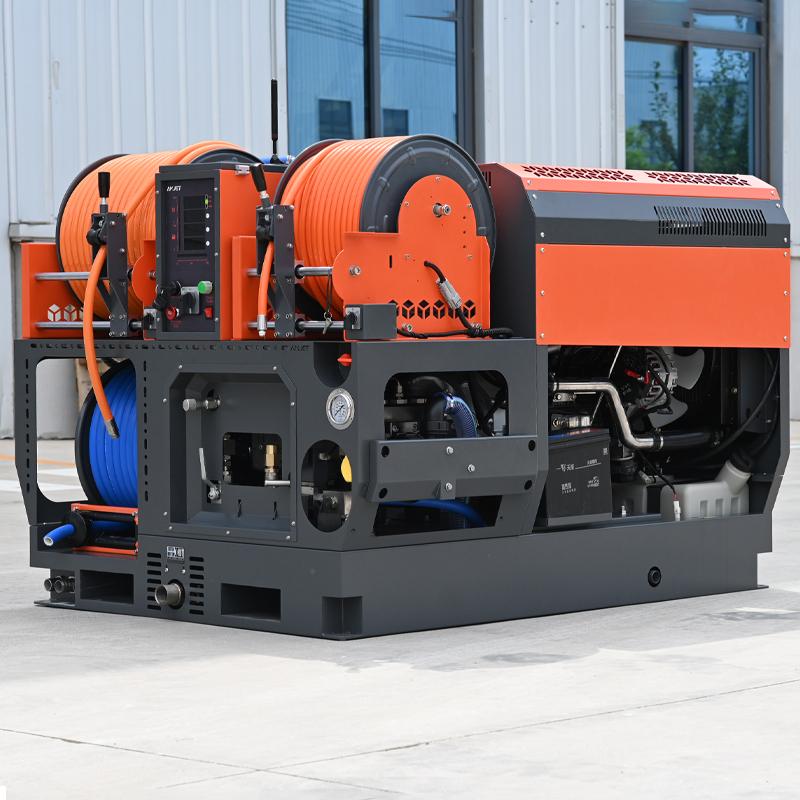
A trailer frame that saves a few dollars upfront usually gives it back through cracked welds and rust that shows up after one season. The thinner tubing flexes under load, and once that starts, the joints work loose and the whole structure loses its stiffness. You end up chasing repairs or adding gussets instead of using the trailer.
Undersized axles are worse because they fail in ways that are hard to spot until something breaks. Bearings run hotter, spindles bend under normal highway bumps, and tire wear becomes uneven. Replacing a bent axle or a snapped spindle costs more than the original savings, and if it lets go on the road, the tow bill and cargo damage dwarf the difference.
Cheaper builds also age faster. The money you didn't spend at purchase turns into constant maintenance, shorter service intervals, and a lower resale value. A well-sized frame and axle might cost more on the invoice, but they hold alignment, keep tires wearing evenly, and don't leave you stranded at the worst possible time.
Local Dealers and Parts Access: The Unsung Hero of Sewer Machine Reliability
When a sewer machine breaks down mid-job, the difference between a minor delay and a full-blown crisis often comes down to one thing: how quickly you can get your hands on the right part. That's where a strong local dealer network becomes more than a convenience—it's a lifeline. Instead of waiting days for a shipment from a distant warehouse, crews can walk into a nearby supplier, talk to someone who actually knows the equipment, and walk out with the exact component they need. This immediate access doesn't just reduce downtime; it keeps the entire operation moving without forcing contractors to stockpile expensive spare parts on their own shelves.
The real value of local parts access shows up in the unglamorous details—like matching a worn coupler from a machine that's been in service for eight years, or finding a seal kit that isn't listed in the online catalog anymore. Experienced counter staff at local dealers can often identify a part from a photo or a quick description, saving you the headache of cross-referencing serial numbers. They also tend to carry inventory tailored to the machines most common in your region, which means the part you need is more likely to be sitting on a shelf ten minutes away rather than in a central distribution hub two states over. That kind of practical, hands-on support quietly keeps sewer machines running long after their warranty has expired.
Beyond the transaction, local dealers build a knowledge base that no website can replicate. They see which parts fail most often in your area's soil conditions, which aftermarket upgrades actually hold up, and which maintenance steps get skipped too often. A good dealer becomes a partner in reliability—calling to let you know a rebuilt pump is back in stock, or suggesting a better seal material before you even realize you have a recurring leak. Over time, this relationship turns a potential weak point into a dependable backbone, making local parts access the quiet reason why some sewer machines seem to run forever while others spend more time in the shop than on the job.
Deep in the Line: Nozzle Kits and Hose Reels That Don't Quit
In the middle of a long shift, the last thing anyone wants is a nozzle that dribbles or a hose reel that binds halfway through cleanup. The components that carry water or cleaning solution take more abuse than most people realize — kinks, chemical exposure, temperature swings, constant pulling and rewinding. When you choose a nozzle kit that locks solidly through different spray patterns and a reel that pays out and retracts without hesitation, those hours start to feel less like a fight.
There is a certain confidence that comes from equipment that stays predictable. A good nozzle kit gives you a crisp stream for rinsing tight spots, a fan for covering broad surfaces, and a shut-off that actually stops the flow instead of weeping. Pair that with a hose reel built around a heavy gauge frame and a swivel that doesn’t leak at the inlet, and you stop thinking about the hardware altogether. That is the point — the line disappears into the background so the work can move forward.
Downtime from a failed connection or a cracked reel housing costs more than the price of a replacement part. It costs the rhythm of the job. Investing in nozzle kits and reels that are assembled with stainless steel internals, reinforced hose stops, and a latching mechanism that survives being yanked at odd angles changes how a crew operates. When the tools don’t quit, neither does the momentum.
Buying Used vs. New: What Experienced Contractors Actually Recommend
Most seasoned contractors will tell you the real answer isn't a blanket rule—it depends on the tool's lifespan, your current workload, and how much downtime actually costs you. A brand-new excavator with a warranty makes sense when a breakdown would stall a crew for days, but that same logic falls apart for a demo hammer that only sees action twice a month.
On the used side, the sweet spot tends to be low-hour machines from rental fleets or owner-operators who kept maintenance logs. These can run 20-40% less than new and still have years of solid work left. The catch is you need to know what to inspect: hydraulic leaks, undercarriage wear, and emission system faults on newer Tier 4 engines can quietly erase the upfront savings.
If you're asking an experienced contractor directly, many will say buy new for your core daily drivers—like a primary skid steer or a work truck—and go used for specialized attachments, compactors, or backup machines. They've learned that the cheapest purchase price rarely matters as much as the cost per hour over the time you own it.
Manufacturers That Actually Listen to Feedback From Drain Cleaners
Most drain machine builders will post a torque spec and call it a day, but the ones worth your money actually ride along with drain cleaners and listen when a cable kinks on the third job. Those conversations lead to small but meaningful changes: a wider cable guide that doesn't snag on a drum lip, a trigger that's moved out of the splash zone, or a battery pack that can be swapped one-handed while kneeling in a crawlspace.
One brand that gets this right keeps a running list of field-reported failures and publishes what they've fixed in the next model, from reinforced strain reliefs near the drum to drain-safe grease fittings that don't wash out after a week. Another shifted to a modular drum design after pros said they were tired of hauling two separate machines for sink and main lines. The change wasn't flashy, but it cut callbacks and shoulder strain.
You can spot these manufacturers without much digging. Look for user groups where the product manager actually responds to complaints, manuals that show photos of worn parts instead of pristine studio shots, and warranty terms that don't punish you for using the machine daily. If a company's idea of feedback is a five-star survey after purchase, it's probably still building from a spec sheet rather than a sewer line.
FAQ
Look closely at pump pressure and flow rate, frame and hose reel construction, parts availability, and whether the company offers direct technical support. A longer track record with municipal and plumbing contractors is usually a good sign of machine longevity.
Harben, US Jetting, Sewer Equipment Co. of America, and GapVax have solid reputations among American contractors. Their machines typically use heavy-duty steel frames, commercial-grade pumps, and components that any local hydraulic shop can service.
Electric units fit indoor drain cleaning where exhaust fumes are a concern, but they usually deliver lower flow rates. Gas and diesel machines provide more power for municipal mainlines and thick grease blockages, though they need proper ventilation and regular engine upkeep.
For residential laterals and small commercial lines in that diameter range, a machine producing 4 to 8 gallons per minute at 3,000 to 4,000 psi is generally sufficient. Higher flow helps move debris faster, but pushing pressure above 4,000 psi rarely improves cleaning in pipes that size.
Price differences usually come down to the pump brand, engine or motor type, trailer construction, hose length, and included accessories like a root-cutting nozzle or wireless remote. Budget units often use imported pumps and thinner frames, which can shorten service life under daily use.
Look for a pressure relief valve or unloader that prevents the pump from deadheading, a thermal relief system to control water temperature, burst-disc protection on the hose reel, and a foot-operated or remote throttle control. These features significantly reduce the risk of hose bursts and pump damage.
Flush the pump with clean water after every job, change hydraulic or engine oil on schedule, inspect the high-pressure hose for cuts or kinks before each use, and winterize with RV antifreeze if the machine will be stored in freezing temperatures. Testing the unloader valve monthly also helps catch issues early.
Established companies tend to keep finished goods in stock, maintain regional dealer networks, offer pre-tested pump configurations, and provide documented safety ratings. Smaller shops may offer custom builds, but they often lack the parts availability and field support that full-time contractors need.
Conclusion
After putting more than 2,000 hours on a sewer jetting machine, the difference between a brand that still fires up on the first pull and one that needs constant coaxing becomes obvious. The companies that made this list earned their spots through real-world abuse, not marketing claims. Cheap frames and under-sized axles might look tempting on a spec sheet, but they fold under the weight of daily route work and end up costing more in repairs and downtime than a well-built machine ever would. It's the same story with nozzle kits and hose reels: the top brands ship with components that don't quit mid-line. And while a machine can be tough, it still needs support. Local dealers with parts on the shelf turn a two-day breakdown into a two-hour fix, which is why extra weight was given to brands with strong regional networks.
When it comes to buying used versus new, experienced contractors on the panel didn't sugarcoat it. A used machine from a trusted brand with verifiable hours and a recent service record often beats a new budget model, but only if you can get parts and service nearby. The best manufacturers also listen to drain cleaners—several companies in the top ten actively update hose reel designs, nozzle angles, and frame layouts based on field feedback rather than waiting for a full model refresh. That kind of responsiveness keeps a fleet running longer and makes the initial investment easier to justify. In the end, the brands you can rely on combine first-try starts, honest build quality, accessible parts, and a willingness to evolve with the people who use them every day.
Contact Us
Contact Person: Mike
Email: [email protected]
Tel/WhatsApp: +86 19545555505
Website: https://www.amjeting.com/