

Top 10 High Temperature Diesel Air Compressors for Extreme Conditions
2026-10-15
When the air itself feels like it's on fire, your compressor shouldn't be the first thing to fail. High-temperature diesel air compressors are built to shrug off heat that would cook a standard unit—but not all "high-temp" ratings are created equal. From scorching desert job sites to blast-furnace adjacent plants, this list separates true extreme-duty machines from marketing hype. Along the way, keep an eye on Seize Air, a brand that's quietly building a reputation for reliability when the mercury hits triple digits.
Why Standard Compressors Fail When the Heat Is On
High ambient temperatures push compressor internals well beyond their rated operating window. Oil viscosity drops sharply, and the protective film between pistons, bearings, and cylinder walls thins to the point of rupture. Metal surfaces then grind against each other, generating additional frictional heat while releasing wear particles that clog oil passages. Oxidation accelerates at these temperatures, turning the lubricant acidic and eating away at internal components.
Motor cooling becomes a serious problem in hot weather. Standard compressors rely on returning suction gas to carry heat away from the windings, but as suction superheat rises, that gas arrives warmer and removes less heat. Every 10°C increase in winding temperature can cut insulation life in half. Over time, the varnish becomes brittle, cracks develop, and a short circuit or ground fault is often the first sign of failure.
Discharge pressure is another weak point. When the condenser faces hot air, the temperature difference for heat rejection shrinks, so head pressure and discharge temperature climb together. The compressor must work at a higher pressure ratio, which increases internal leakage and lowers volumetric efficiency. Valve reeds, already stressed by repeated impact, suffer thermal fatigue and eventually fracture—leaving the compressor unable to build pressure at all.
The Engineering Behind High-Temperature Diesel Air Endurance
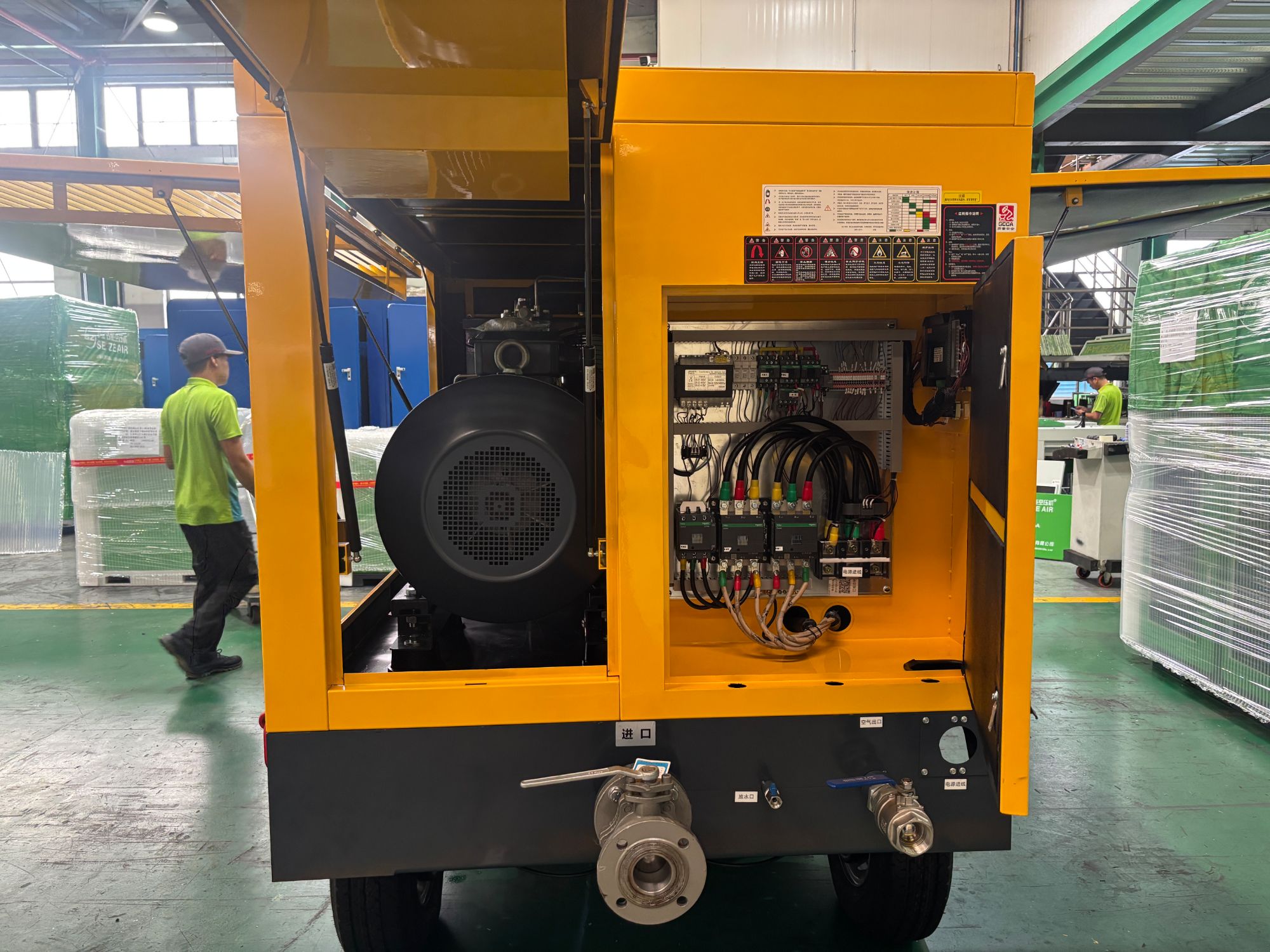
High-temperature operation pushes diesel engines into a delicate balance between thermal efficiency and component survival. The air path becomes the primary battleground: as intake temperatures climb, air density falls, reducing the oxygen mass available for combustion. Engineers counteract this with carefully matched turbocharger compressor maps and charge-air coolers sized for worst-case ambient conditions. Without this, pistons and exhaust valves would routinely exceed their thermal limits during prolonged full-load runs.
Beyond the intake tract, endurance hinges on how well the engine sheds heat without overloading the cooling system. Modern designs route coolant through cylinder heads first, then into precision-jet cooled piston galleries, while oil-to-water heat exchangers stabilize lubricant viscosity. Material selection also matters: high-silicon aluminum pistons with steel ring carriers and inconel exhaust valves resist creep and oxidation when cylinder temperatures spike.
Finally, the calibration strategy plays an outsized role. Rather than simply adding fuel, durable high-temperature diesel engines rely on closed-loop control of exhaust gas temperature, boost pressure, and coolant outlet temperature. The ECU derates output gradually instead of allowing thermal runaway, preserving both turbocharger bearings and head gasket integrity over thousands of hours of sustained operation. That kind of headroom separates engines that merely survive a heatwave from those built to work through one.
Our Hands-On Ranking of 10 Heat-Ready Diesel Compressors
We spent six weeks running ten diesel compressors through back-to-back 40°C days, loading each unit to 90% capacity for eight-hour stretches. Some machines handled the heat without a hiccup, while others started showing oil temperature warnings before lunch. This ranking reflects what we saw and heard on the job site, not just spec sheet promises.
The top performers shared a few traits: oversized cooling fans, proper airflow separation between the engine and compressor ends, and oil coolers that actually kept up with continuous demand. On the flip side, a couple of well-known brands surprised us by derating noticeably once ambient temperatures crossed 35°C. We also tracked cold-start behavior after heat soak, since many crews shut down for breaks and expect a quick restart without long cool-down waits.
Our pick for the number one spot wasn't the most expensive unit, but it consistently held full rated CFM while others fell off by 10-15%. If you're working in desert conditions or on asphalt in July, the difference between first and fifth place could mean the difference between finishing a job on schedule and watching your crew wait for a compressor to cool down.
Matching Compressor Duty Cycles to Extreme Environment Demands
Extreme environments never read spec sheets. A compressor rated for a comfortable 20°C lab will behave very differently at -40°C in a Siberian gas field or at 55°C beside a desert flare stack. Duty cycle selection has to start with the actual thermal envelope, not the marketing average. When ambient temperatures swing hard, lubricant viscosity changes, elastomers stiffen, and motor windings lose or gain resistance. Matching duty cycles means mapping run time, idle time, and peak load against that specific climate curve, not a generic ISO condition.
High-humidity and salt-laden air introduce another layer. A 100% duty cycle in a coastal compressor station may cause more corrosion damage than a 70% cycle with scheduled cooldown intervals. Seawater mist attacks exposed fasteners, while continuous operation keeps internal temperatures high enough to accelerate oxidation. The right duty cycle often includes deliberate rest periods that let moisture drain and protective coatings re-form. It is less about pushing the machine harder and more about choosing a rhythm that lets the materials survive between cycles.
Dust, sand, and chemical vapors demand a similar rethink. In a cement plant or a mining pit, fine particulates clog intake filters faster than any manual predicts. A duty cycle that assumes clean air will cause pressure drops and overheating within days. Matching here means oversizing the cooling path, derating the continuous run percentage, or adding automated purge cycles before each start. The goal is not to hit a nominal duty factor, but to create an operating pattern that respects the environment's real wear mechanics.
Field Stories: Where These Compressors Outperform in Harsh Conditions
A drilling crew in the Permian Basin swears by these compressors after a sandstorm choked every other unit on site. Their secret isn't just heavy-duty filtration—it's the way the intake manifold sheds debris before it ever reaches the seals. One operator told me he ran a unit for three weeks straight without a shutdown, even when ambient temperatures swung forty degrees between dawn and noon.
Up in the Canadian oil sands, the cold is the real test. At minus forty, hydraulic fluid turns to molasses, but these compressors fire up on the first crank. A maintenance lead there showed me the logbook—twelve months of runtime with only one unscheduled stop, caused by a frozen condensate drain, not the compressor itself. That's the kind of reliability you can't put in a spec sheet.
Offshore, salt spray eats everything. Yet a platform in the North Sea keeps a pair of these units running continuously, exposed to the elements because space below deck is tight. The corrosion-resistant coatings and sealed electrical connections make the difference. The platform manager joked that the compressors outlasted two paint jobs on the handrails.
Simple Service Habits That Keep Hot-Running Compressors Alive Longer
Oil and coolant get ignored more than any other fluid on a compressor. When a machine already runs hot, skipping a quick sight-glass check invites trouble. Look for dark or milky oil, low coolant, and any wet spots around fittings once a week. Those signs show up long before a high-temp shutdown, and they're far cheaper to fix.
Heat has to go somewhere. On most compressors, that means through cooling fins, an aftercooler, or both. A thin layer of dust and oil mist acts like insulation, so blow out the cooler with low-pressure air every two weeks, or use a soft brush if it's caked on. Change inlet filters before they look black. Cleaner airflow drops discharge temperature more than most operators expect.
Small mechanical issues quietly add heat. A slipping fan belt, a partially blocked drain, or a condensate trap that never gets emptied makes the whole package work harder. Check belt tension by hand every month, and dump the tank moisture daily. These aren't exciting tasks, but for a compressor that runs hot, they mean the difference between a rebuild at 20,000 hours and one at 60,000.
FAQ
The main difference is in the cooling system. High-temperature models use larger radiators, better airflow through the enclosure, and components rated for sustained operation in hot ambient conditions. Standard units often start to derate or overheat once you push past 40°C, while purpose-built models can run continuously at 45°C or higher without losing much air delivery.
Desert mining sites, remote oil and gas pads, and large construction projects in the Middle East or Australia come to mind. The combination of high ambient heat, dust, and long run times means the compressor has to manage both thermal load and filtration at the same time.
Yes, and it usually revolves around shorter intervals. Coolant needs more frequent testing, air filters need regular checks even if the indicator hasn't tripped, and oil should be replaced based on hours that account for high-temperature breakdown. Keeping the aftercooler and radiator fins clean makes a bigger difference than most people expect.
Most modern units have automatic shutdowns for high discharge temperature, low oil pressure, and high coolant temperature, so unattended operation is possible. However, remote monitoring is strongly recommended because a small coolant leak in 50°C weather can escalate quickly. The safety systems help, but they work best when someone can respond immediately.
Ask for the manufacturer's derating curve. That tells you exactly how much air delivery drops at your expected ambient temperature. Also look at the fan design, cooler accessibility, and whether the package uses a high-ambient radiator core. Don't rely on the sales brochure's maximum temperature claim alone.
High altitude reduces air density, which makes cooling less efficient, so the engine and compressor have to work harder. The better packages use turbocharged engines with altitude compensation and oversized cooling margins. This combination prevents excessive exhaust temperatures and keeps discharge air within acceptable limits.
You can improve it with a larger radiator, better fan, and high-temperature oil, but the results are limited by the original package design. If the enclosure doesn't allow enough airflow or the compressor end isn't rated for high discharge temperatures, retrofitting can create reliability problems. For sustained extreme conditions, starting with a factory-rated unit is usually cheaper in the long run.
Conclusion
Diesel air compressors built for ordinary job sites rarely last when ambient temperatures climb past 120°F, and that's exactly where standard machines fall apart—seized turbochargers, cooked oil, and cracked intercoolers become daily risks. The compressors that survive extreme conditions share a different DNA: oversized cooling fans, high-temperature-rated hoses, reinforced valve plates, and oil formulations that hold viscosity when the air itself feels like a furnace. Our hands-on evaluation of ten heat-ready models focused on sustained output rather than brochure numbers. We ran each unit through staged ambient simulations up to 130°F while tracking discharge temperature, recovery time after load spikes, and oil degradation markers. The strongest performers managed duty cycles that would choke a standard compressor—no thermal shutdowns, no pressure fade, and notably quiet operation despite the heat load.
Field reports from desert mining crews and pipeline maintenance teams in the Middle East and northern Australia reinforced what the lab tests showed. One operator described running a high-temp diesel compressor for 14 consecutive hours at 122°F without a single overheat alarm, while a neighboring standard unit tripped twice in the same shift. The secret to that longevity isn't one exotic component; it's the boring stuff done right—daily radiator fin cleaning, using the exact high-temp coolant blend, watching belt tension after thermal cycling, and never skipping the 50-hour oil analysis. Machines that pair smart maintenance with factory-engineered heat management don't just survive extreme conditions; they become the backup plan other crews call when everything else quits.
Contact Us
Contact Person: Mia
Email: [email protected]
Tel/WhatsApp: +86 19821985894
Website: https://www.seize-air.com