

Nickel Alloy Steel: Unveiling Its Superior Properties and Industrial Applications
2026-01-26
In the realm of advanced engineering materials, nickel alloy steel stands as a remarkable testament to modern metallurgical innovation. This versatile material, celebrated for its exceptional strength, corrosion resistance, and heat tolerance, powers countless industrial applications from aerospace to energy sectors. At Jiangsu Baowu New Materials, we delve into the science behind these superior properties, exploring how nickel alloy steel is reshaping manufacturing landscapes. Join us on a journey to uncover the secrets of this high-performance metal and discover its transformative potential in today's cutting-edge industries.
What Makes Nickel Alloy Steel Exceptionally Durable in Harsh Environments?
Nickel alloy steel stands out in harsh environments due to its unique microstructure and chemical composition. The addition of nickel, often combined with other elements like chromium and molybdenum, significantly enhances corrosion resistance. This makes it ideal for applications exposed to seawater, acidic conditions, or high temperatures, where ordinary steels would rapidly degrade.
Beyond corrosion resistance, these alloys offer superior mechanical properties. They maintain strength and toughness even under extreme thermal cycling or stress, reducing the risk of cracking or failure. This durability is crucial in industries such as aerospace, oil and gas, where reliability in unpredictable conditions is paramount for safety and efficiency.
Moreover, the versatility of nickel alloy steel allows for customization in alloying to meet specific environmental challenges. By fine-tuning compositions, manufacturers can optimize performance for particular harsh settings, ensuring long-term stability and reducing maintenance needs across various demanding applications.
Key Advantages of Nickel Alloy Steel in High-Temperature Applications
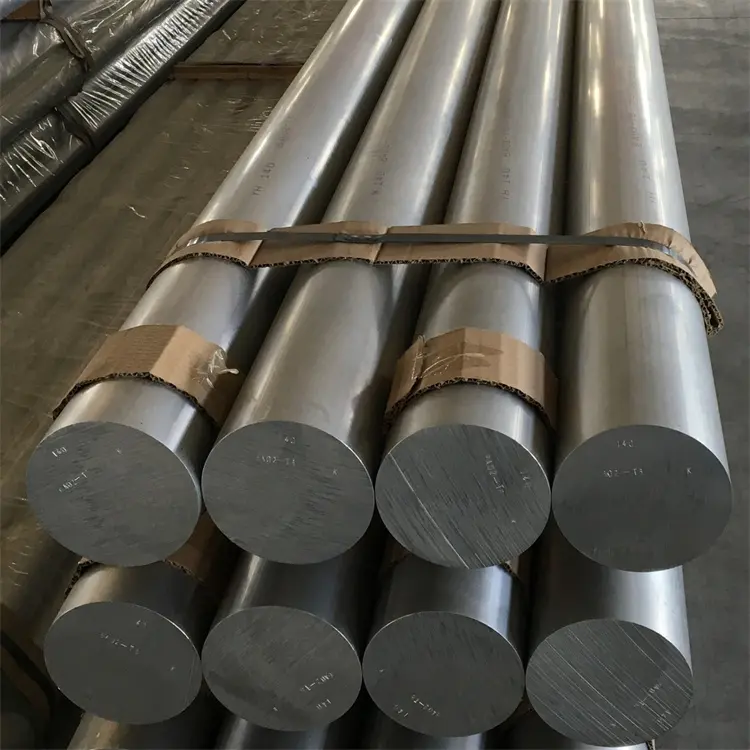
Nickel alloy steels hold a pivotal role in industries where extreme heat is the norm, offering unmatched durability and performance. Unlike standard steels that may weaken or corrode under intense thermal stress, these alloys leverage nickel's unique properties to maintain structural integrity. For instance, in power generation plants, they withstand temperatures exceeding 1000°C, ensuring turbines operate reliably for decades without failure. This resilience stems from nickel's ability to form stable microstructures that resist creep and oxidation, making them indispensable for critical components like furnace parts and jet engine exhausts.
Another standout benefit is their exceptional corrosion resistance in high-temperature environments, a feature often overlooked in discussions of steel alloys. Nickel additions enhance the material's ability to fend off aggressive gases and molten salts, which are common in chemical processing and petrochemical applications. This resistance translates to longer component lifespans and reduced maintenance costs, as seen in heat exchangers that handle corrosive fluids at elevated temperatures. It's this combination of thermal stability and corrosion protection that sets nickel alloy steels apart from alternatives like stainless steel or ceramics.
Beyond technical performance, these alloys offer practical advantages in fabrication and versatility. They can be welded and machined with relative ease, allowing for custom designs in aerospace and automotive sectors where precision is paramount. In real-world scenarios, such as in high-performance racing engines, nickel alloy steels enable engineers to push the limits of temperature and pressure without compromising safety. This adaptability, coupled with their proven track record in demanding applications, makes them a go-to choice for engineers seeking reliable, high-temperature solutions that stand the test of time.
How Nickel Alloy Steel Enhances Corrosion Resistance in Industrial Settings
In harsh industrial environments where equipment faces continuous exposure to aggressive chemicals, high temperatures, or saltwater, nickel alloy steel stands out as a game-changer for durability. Unlike standard steel, which can corrode rapidly under such conditions, nickel additions—typically ranging from 8% to 30%—significantly boost resistance by forming a protective oxide layer on the surface. This layer acts as a barrier, preventing corrosive elements from penetrating and degrading the material, which is crucial for applications like chemical processing plants or offshore platforms where failure can lead to costly downtime and safety hazards.
What sets nickel alloy steel apart is its versatility across diverse corrosive scenarios. For instance, in acidic environments found in mining or pharmaceutical manufacturing, it resists pitting and crevice corrosion better than many alternatives, thanks to nickel's ability to stabilize the steel's microstructure. Additionally, it excels in high-temperature settings, such as in petrochemical refineries, where it combats oxidation and sulfidation—common issues that compromise standard materials. This adaptability means industries can rely on it for long-term performance without frequent replacements, cutting maintenance costs and enhancing operational efficiency.
Beyond mere resistance, nickel alloy steel offers a sustainable edge by extending the lifespan of critical infrastructure, reducing waste from corroded parts. Its tailored compositions, such as those with chromium or molybdenum, further fine-tune protection for specific threats, making it a smart investment for industries prioritizing reliability. By incorporating this material into designs, companies not only safeguard assets but also boost productivity, demonstrating how advanced metallurgy directly translates to real-world resilience in demanding settings.
Innovative Uses of Nickel Alloy Steel in Aerospace and Automotive Sectors
Nickel alloy steel has emerged as a game-changer in advanced manufacturing, particularly in aerospace and automotive applications where durability and performance under extreme conditions are paramount. In aerospace, these alloys are being used in jet engine components, such as turbine blades and combustion chambers, due to their exceptional resistance to high temperatures and corrosion. This innovation allows engines to operate more efficiently at higher altitudes, reducing fuel consumption and extending engine life, which is crucial for both commercial and military aircraft seeking enhanced sustainability and cost-effectiveness.
Beyond aerospace, the automotive sector is leveraging nickel alloy steel to push the boundaries of electric vehicle technology. For instance, in battery enclosures and structural frames, these alloys provide superior strength-to-weight ratios, enabling lighter vehicles without compromising safety. This not only improves energy efficiency and range but also supports faster acceleration and better handling, giving automakers a competitive edge in a market increasingly focused on electric mobility and performance.
Another cutting-edge application is in the development of exhaust systems for high-performance cars, where nickel alloys help withstand intense heat and corrosive gases, enhancing durability and reducing maintenance needs. By integrating such materials, manufacturers can create vehicles that are not only more robust but also more adaptable to evolving environmental regulations, showcasing how innovation in materials science drives progress across industries.
Cost-Effectiveness and Longevity of Nickel Alloy Steel in Manufacturing
When it comes to manufacturing, nickel alloy steel often gets overlooked in favor of more conventional materials, but its cost-effectiveness and durability make it a game-changer for many industries. Unlike standard steels that might need frequent replacements, nickel alloys resist corrosion and wear, cutting down on maintenance costs over the long haul. This means factories can run equipment longer without unexpected shutdowns, translating to better productivity and less waste. It's not just about initial savings; investing in nickel alloy steel can lead to substantial returns by extending the lifespan of critical components.
Beyond just lasting longer, nickel alloy steel offers versatility that keeps costs in check across diverse applications. Whether in harsh chemical environments or high-temperature processes, these alloys maintain their structural integrity, reducing the need for specialized, more expensive alternatives. Manufacturers find that by integrating nickel alloy steel into their designs, they can standardize parts and simplify supply chains, which further drives down expenses. This adaptability ensures that projects stay on budget without compromising quality or safety.
Looking at real-world examples, industries like aerospace and energy have leveraged nickel alloy steel to achieve decades of reliable service in demanding conditions. The material's resistance to fatigue and cracking means fewer repairs and replacements, which not only saves money but also minimizes environmental impact by reducing material waste. Over time, the initial higher cost of nickel alloy steel pays off through enhanced performance and reduced downtime, making it a smart choice for forward-thinking manufacturers aiming to build resilient, long-lasting products.
Future Trends: Advances in Nickel Alloy Steel Technology for Sustainable Industry
Looking ahead, the evolution of nickel alloy steel technology promises to reshape industrial practices with a focus on sustainability and efficiency. Innovations in alloy composition are enabling these materials to withstand higher temperatures and corrosive environments, crucial for sectors like energy and aerospace. By reducing the need for frequent replacements, these advances help minimize waste and resource consumption, aligning with global sustainability goals. The development of more durable alloys also supports the transition to cleaner energy sources, such as in high-temperature applications for hydrogen production or nuclear reactors.
Another key trend involves the integration of digital tools and additive manufacturing processes. Techniques like 3D printing are allowing for the creation of complex, lightweight nickel alloy components with less material waste compared to traditional methods. This not only streamlines production but also enhances design flexibility, enabling custom solutions for specific industrial challenges. Smart monitoring systems, using sensors embedded in alloys, can predict maintenance needs, preventing unexpected failures and extending equipment lifespans. These technological leaps are driving industries toward more resource-efficient and resilient manufacturing systems.
Environmental considerations are increasingly shaping research in nickel alloy technology, with efforts aimed at reducing the ecological footprint of these materials. New alloys are being designed to use recycled nickel or alternative elements, lessening reliance on mining and lowering energy-intensive processing. Additionally, advancements in surface treatments and coatings are improving the recyclability of nickel alloy steels, promoting a circular economy approach. As industries face stricter regulations and consumer demand for greener products, these sustainable innovations are becoming essential for long-term competitiveness and environmental stewardship.
FAQ
Nickel alloy steel excels due to its exceptional strength, corrosion resistance, and high-temperature stability, making it ideal for harsh conditions like chemical plants or aerospace applications.
Adding nickel improves toughness and ductility, reducing brittleness under stress; it also forms protective oxide layers that bolster corrosion resistance, especially in acidic or marine settings.
It's widely used in aerospace for jet engine components, oil and gas for pipelines and rigs, and power generation for turbines, as it withstands extreme pressures, temperatures, and corrosive elements.
While more challenging due to its hardness, it can be machined and welded with specialized techniques, such as using low-heat methods and specific filler materials, to maintain its integrity.
Examples include turbine blades in aircraft engines, deep-sea drilling equipment, medical implants like hip replacements, and high-performance automotive exhaust systems.
It's generally more expensive than standard steels due to nickel content and processing, but the long-term durability and reduced maintenance often justify the cost in critical applications.
Production involves energy-intensive processes and mining impacts, but its longevity and recyclability help offset environmental footprints, with ongoing research into greener alloying methods.
Conclusion
Nickel alloy steel stands out as a remarkable material due to its exceptional durability in harsh environments, primarily driven by its unique composition that includes nickel, which enhances strength and toughness. This resilience makes it ideal for industries facing extreme conditions, such as oil and gas exploration or marine applications, where resistance to wear and corrosion is critical. Moreover, in high-temperature scenarios, nickel alloy steel offers key advantages like maintaining structural integrity and preventing thermal fatigue, which is vital for power plants and chemical processing equipment. Its ability to withstand both mechanical stress and environmental challenges underscores its superiority in demanding settings.
Beyond durability, nickel alloy steel excels in enhancing corrosion resistance, making it a staple in industrial settings where exposure to chemicals or moisture is common. This property, combined with innovative uses in aerospace and automotive sectors—such as in jet engine components or lightweight vehicle frames—demonstrates its versatility and performance-driven applications. Additionally, its cost-effectiveness and longevity in manufacturing contribute to sustainable practices, reducing maintenance and replacement costs over time. Looking ahead, future trends in nickel alloy steel technology focus on further improvements in sustainability and efficiency, promising advancements that will continue to propel industries toward more robust and eco-friendly solutions.
Contact Us
Contact Person: Zoe Liang
Email: [email protected]
Tel/WhatsApp: 86 189 2128 6299
Website: https://www.baowuchina.com