

Corrugated Pipe Machine Company: Essential Tips for Maximizing Production Output
2026-10-17
Every corrugated pipe machine line has hidden capacity that never shows up on the spec sheet. At COMRISE, we've walked enough production floors to know that the difference between a good shift and a great one rarely comes from buying new equipment—it comes from eliminating the small, daily losses that quietly drain throughput. In the tips that follow, you'll find the exact adjustments and habits our own engineers use to push output higher without sacrificing pipe quality or operator safety.
Dial In Calibration Until Wall Thickness Stays Rock Steady
Plenty of people get obsessed with first-layer squish and completely ignore wall thickness. If your printed walls keep coming out thinner or thicker than the model, the usual culprit is an extrusion multiplier or flow rate that’s just slightly off. Print a single-wall open box or a simple hollow test cube, grab a set of calipers, and measure each wall at several points. Change flow or extrusion multiplier in tiny steps—no more than 2% at a time—and reprint until the measured thickness matches the file and stays the same all the way around.
Temperature and speed can quietly undo your calibration, too. If the hotend is too cold or you’re pushing filament too fast, the extruder may skip or under-extrude, leaving thin spots you’ll only notice after careful measuring. Slow perimeter speeds down by 10–15 mm/s and raise nozzle temperature by 5°C at a time while watching how the wall lays down. You want a solid, even line that doesn’t flatten too much or leave tiny gaps. Once a tall test print holds a steady wall thickness from bottom to top, you’ve found the right settings for that specific spool.
Don’t trust one quick measurement. Rotate the part, check different heights, and compare opposite walls. A consistent reading means your extrusion is uniform, but if one side always comes out thicker, stop chasing flow settings and look at the machine itself—loose belts, a wobbly carriage, or a frame that’s slightly out of square can all cause uneven walls. Fix those mechanical issues first, and then your calibration work will actually stick from print to print.
Treat Maintenance as a Daily Rhythm, Not a Panic Button
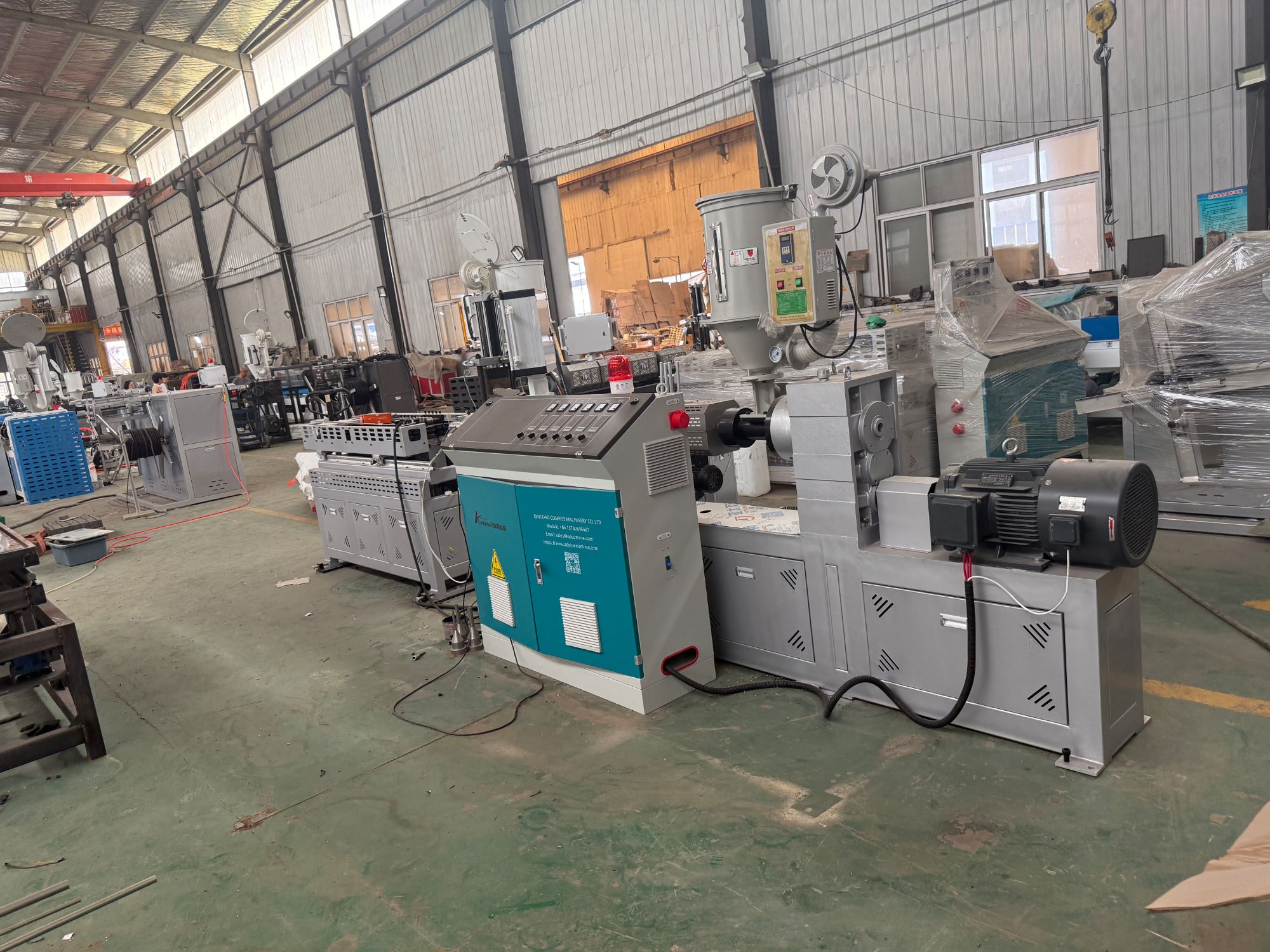
Most of us wait until the car won't start, the sink is clogged, or the website crashes before we pay attention. That's panic-button maintenance—reactive, stressful, and almost always more expensive. The alternative is treating upkeep as a rhythm you follow without thinking, like brushing your teeth or making coffee. When you change the oil every 5,000 miles regardless of how the engine sounds, you stop gambling with breakdowns. The same applies to your home, your health, and your digital tools. A small, scheduled effort beats a big, frantic repair every time.
Building this rhythm doesn't require a massive overhaul. Start with one area: set a recurring reminder to clean the fridge coils, back up your files, or inspect the roof gutters at the same time each month. The key is to make it as automatic as possible—pair it with something you already do, like paying bills or taking out the trash. Over time, these tiny rituals compound. You'll notice fewer surprises, lower long-term costs, and a strange sense of calm that comes from knowing you're ahead of the curve instead of chasing it.
The real shift is mental. A panic button treats maintenance as an interruption, something to avoid until absolutely necessary. A daily rhythm treats it as part of the background hum of life—unremarkable, steady, and quietly powerful. You don't wait for the tooth to hurt before you floss, so why wait for the server to crash before you update it? When upkeep becomes a habit rather than an emergency, you stop being a firefighter and start being a gardener.
Outsmart Material Jams with Smarter Feedstock Flow
Feedstock rarely jams without warning—there's almost always a subtle shift in particle size, moisture content, or bulk density just before a blockage forms. Operators who rely on guesswork often chase the problem after it has already shut down a line. A better approach is to treat flow as a variable you can actually control: modify hopper angles, add strategically placed vibration, or switch to a feed screw geometry that matches the actual material behavior. When the upstream feed characteristics drift, the system should adapt rather than wait for a plug to form.
One overlooked factor is the interface between storage and conveying equipment. A poorly designed transition can create dead zones where fines accumulate, harden, and then release unpredictably. By widening the throat opening, using steep-walled chutes, and keeping material moving at a consistent velocity, you remove the stagnation points that turn minor inconsistencies into full stoppages. Smart flow isn't about adding more force—it's about removing the conditions that let jams start in the first place.
Train Operators to Catch Warning Signs Before They Become Stoppages
Operators spend more time with the equipment than anyone else, so they are the first to notice when a machine starts behaving differently. A slight change in vibration, a new whine from a pump, or an occasional lag in response can all point to trouble long before a full stoppage occurs. Training should teach them to trust those observations and record them instead of waiting for an alarm.
Effective training goes beyond listing failure modes. It builds the habit of comparing today's performance against a known baseline, using simple checks like touching a bearing housing for unusual heat, listening for irregular rhythms, or watching for small fluid leaks. When operators log these early clues, maintenance teams can schedule repairs during planned downtime rather than scrambling after a breakdown.
The real shift is from reacting to predicting. Once operators understand how their daily notes feed into maintenance decisions, they start seeing themselves as part of the reliability effort. Short walkarounds at shift change, quick conversations about odd sounds or smells, and a simple way to flag concerns all help catch problems when they are still cheap and quick to fix.
Let Live Production Data Set the Pace Instead of Guesswork
Relying on intuition to adjust line speeds or shift schedules leaves too much room for error. When operators and managers watch real-time output, downtime causes, and quality signals as they happen, they can respond to what the floor actually needs instead of what a static report from last week suggests. That shift turns production control from a guessing game into a continuous read on reality.
Live data also exposes patterns that only emerge when you watch the stream rather than snapshots. A machine that drifts out of tolerance every third cycle, a feeder that slows after a material change, a shift that consistently loses pace after lunch—these are visible in the moment. Acting on them early prevents the usual cycle of scrap, rework, and end-of-month surprises.
The goal is not to replace people with dashboards. It is to give the people closest to the work a shared, current picture so decisions happen at the speed of the line. When live production data sets the pace, adjustments become smaller, more frequent, and more accurate, and the whole operation stops chasing yesterday's numbers.
Run Changeovers Like a Pit Stop, Not a Side Project
A Formula 1 crew doesn't treat a tire change as a casual pause — they treat it as the most critical four seconds of the race. Every tool has a place, every person has a role, and the sequence is rehearsed until it's muscle memory. Yet in many factories, changeovers get the opposite treatment: a loose handful of technicians wander over, someone hunts for a missing wrench, and the line sits idle while people chat about weekend plans. The difference isn't skill; it's mindset. If you want to cut hours off your setup time, stop scheduling changeovers as 'downtime' and start designing them like a pit crew drills a stop.
Start by mapping the changeover minute by minute, not just listing tasks. In a pit stop, the rear jack man doesn't wait for the wheel gun to finish before moving — actions overlap. Apply that same overlap thinking to your own line: pre-stage the next die set on a cart, warm up the next material batch while the old one drains, and run two setup tasks in parallel where safety allows. The goal isn't just speed; it's predictability. When everyone knows their exact sequence, a 45-minute swap can shrink to 12 without anyone breaking a sweat.
The final piece is measurement without punishment. Racing teams record every stop to the hundredth of a second and review the footage immediately — not to blame, but to see what can be tightened. Do the same with changeovers: film a few, time each phase, then gather the crew and ask one question: 'What would you do differently if this was the last shift before a holiday?' You'll be surprised how many small fixes surface when people feel ownership instead of pressure. Treat changeovers like the high-stakes event they are, and your line will start finishing laps instead of limping between them.
FAQ
Start by checking vacuum consistency at the forming blocks. Clogged vacuum holes or worn sealing strips often steal 5 to 10 percent line speed before anyone notices. Then verify the melt temperature profile is steady within a 10°F window, because even small drift forces the corrugator to run slower to avoid thin wall spots.
Don't rely on a fixed hour count. Measure the gap between the block halves every 500 running hours and replace or regrind them once it exceeds 0.2 mm. Running worn blocks usually means a 6 to 8 percent drop in output, and the cost of replacement is far less than the production you lose from running slower.
Most of the time it's a misalignment between the corrugator blocks and the vacuum distribution plate after the changeover. Use a feeler gauge to check the gap at multiple points around the circumference and bring it back to spec before restarting. Also confirm the puller speed calibration matches the new pipe diameter, since a slight mismatch causes surging that forces operators to dial back speed.
Focus on three things: clean the cooling water strainers, check the vacuum pump oil level and belt tension, and lubricate the saw carriage rails. These take about 20 minutes total but stop most of the small stops that eat into daily output. Also make sure the hydraulic clamping pressure on the mold halves is stable, because a slow leak will let blocks shift and produce scrap.
Not if your cooling system can actually keep up. Many plants never hit rated speed because their cooling water temperature rises too high after an hour. If the temperature difference between inlet and outlet exceeds 15°F, back off speed or add cooling capacity. Otherwise you'll get ovality and surface defects that force rework, which is worse than running slightly slower.
A lot more than people expect. A jump in recycled content or a batch with lower melt flow can cause wall thickness variation, and the operator responds by turning down the line speed. Keep resin lots consistent and pre-dry if you're seeing moisture-related surface roughness. Stable material input lets you hold speed without constant adjustment.
Dropping the cooling water inlet from 70°F to 55°F typically allows a 8 to 12 percent increase in line speed for PVC or HDPE corrugated pipe, because the pipe solidifies faster and holds its shape better. Just be careful about condensation forming on the mold blocks below dew point, which can leave marks on the pipe surface.
Conclusion
Getting more out of a corrugated pipe machine line isn't about pushing every lever to the limit—it's about building a rhythm where consistency becomes the default. Start by obsessing over calibration until wall thickness stops drifting, because a steady wall means fewer hidden weak spots and less raw material wasted. Pair that with a maintenance schedule that feels like brushing your teeth, not calling an ambulance: quick daily checks on rollers, vacuum seals, and cooling lines prevent the kind of breakdowns that eat an entire shift. And don't let feedstock be an afterthought—smart hopper design, clean regrind, and steady melt flow keep jams from strangling your throughput before the pipe ever gets formed.
The human side matters just as much. Train operators to read the machine's body language—a subtle vibration change, a slight hiss in the vacuum, a drift in melt temperature—so they can adjust before a minor hiccup becomes a full stop. Use live production data not as a rearview mirror but as a real-time compass: line speed, haul-off tension, and cooling rate should guide decisions instead of someone's gut feeling. Finally, treat every product changeover like a Formula 1 pit stop—pre-staged tools, written sequences, and a clear division of roles can cut downtime from hours to minutes. When calibration, maintenance, material flow, operator awareness, data, and changeovers all pull in the same direction, the output ceiling quietly lifts without burning out people or equipment.
Contact Us
Contact Person: LISA LEE
Email: [email protected]
Tel/WhatsApp: +86 13780696467
Website: https://www.qdpipemachine.com