

Best Commercial Fitness Machine Options for Modern Gyms
2026-10-03
Walk into any modern gym and you'll notice the same problem: rows of machines that promise results but deliver half-hearted workouts. The real contenders? They're rare—machines built for durability, biomechanics, and the kind of user experience that keeps members coming back. If you're outfitting a space where performance matters more than flashy gimmicks, you need more than a catalog of specs. You need equipment that earns its floor space. That's where Yingruis enters the conversation—not as another brand, but as a benchmark for what commercial fitness machinery should feel like. In this guide, we'll cut through the noise and spotlight the options that actually move the needle for today's gym owners, trainers, and serious lifters. Ready to see which machines make the cut—and why the wrong choice could cost you more than just money?
Multi-Use Cable Towers That Cut Equipment Count
Instead of crowding a room with separate lat pulldown, row, and cable crossover machines, a multi-use cable tower combines those movements into one footprint. You can switch from a high pulley to a low pulley in seconds, then move to a mid-height anchor for rotational work—all without walking across the gym.
That consolidation matters most in compact training spaces. Fewer machines mean less maintenance, fewer moving parts to wear out, and a cleaner visual line. For a garage gym or studio, one well-built tower often replaces three or four single-purpose units, freeing up floor space for mobility work or simply breathing room.
Cardio Machines Members Queue For, Not Walk Past
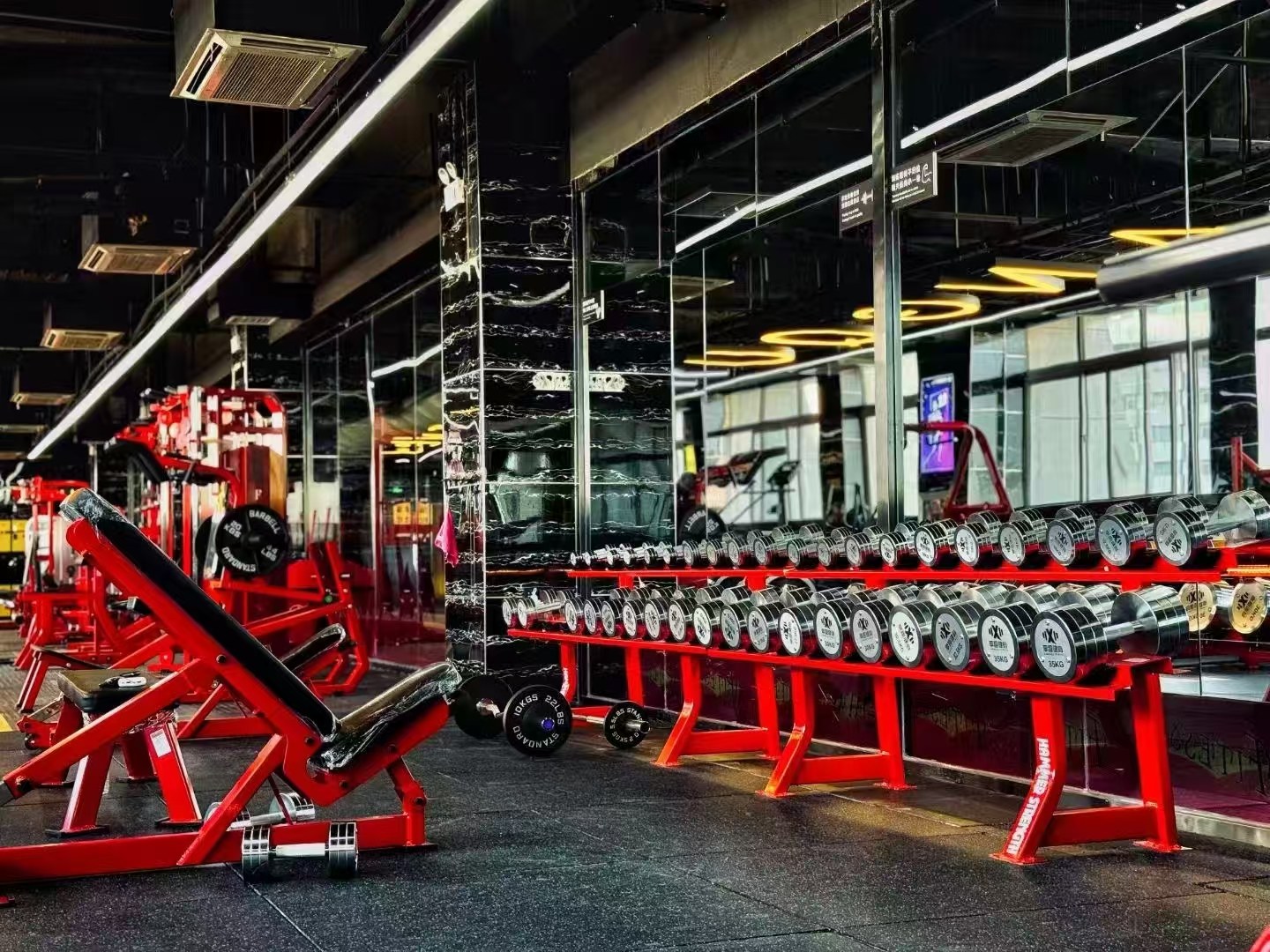
The row of treadmills near the window never sits empty for long. During peak hours, a quiet line forms behind the ellipticals, regulars holding their water bottles and glancing at the timer, waiting for the next machine to free up. It’s not the newest equipment or the shiniest display that draws them—it’s the rhythm of a workout they know will get done.
Walk past the cardio deck and you’ll notice the difference: weight machines have a spare seat or two, but the bikes with the broken heart-rate grips still have a towel draped over the handlebars. People don’t just wander by. They stop, hover, and claim their spot the moment someone steps off. That kind of demand doesn’t come from idle curiosity.
Ask any front-desk staff which area causes the most friction and they’ll point to the row of stair climbers. Members plan entire visits around a free treadmill, sometimes signing up mentally before they’ve even scanned in. The queue isn’t a bottleneck—it’s proof the machines earn their place in every routine.
Plate-Loaded Gear That Handles Constant Turnover
In a commercial gym, plate-loaded machines see a different kind of abuse. Members rack plates hard, drop handles, and move from station to station without a second thought. The frames that survive are built around thick-gauge steel and fully welded joints, not bolted-together shells. Pivot points get oversized bushings or sealed ball bearings so the motion stays smooth after thousands of repetitions.
Constant turnover also punishes the small parts. Weight horns with reinforced collars prevent plates from chewing up the shaft, and adjustment pins are tethered or magnetically seated so they don't wander off between sets. A textured powder coat hides scratches better than gloss finishes and makes the equipment look presentable even when it's never wiped down.
From a floor manager's view, the best plate-loaded gear is the kind you forget about. Fewer exposed cables, simple selector-free designs, and wear strips that can be swapped in minutes keep a piece in rotation instead of tagged out for repair. That's what handles turnover: not a thicker pad, but a design that doesn't need constant attention.
Compact Rigs for Boutique-Sized Floor Plans
When square footage is at a premium, every inch of a rig has to earn its keep. Compact builds aren't about sacrifice—they're about surgical precision. The best small-footprint rigs fold, slide, and tuck away whole rooms without making you feel like you're living in a hallway. Think a dinette that collapses into a workbench, a bed platform that levitates to expose a gear garage, or a slim pull-out pantry that turns a dead corner into a full kitchen command center.
The real magic happens in the vertical plane. Wall-mounted storage grids, magnetic strips for tools, and ceiling-hugging cabinets keep the floor open for movement—even with two people and a dog. Many boutique builders now spec 80/20 aluminum extrusion for modular wall systems, letting owners reconfigure hooks, shelves, and bike mounts without drilling a single new hole. That adaptability is what separates a clever tiny home from a cramped box.
Also worth noting: compact doesn't have to mean spartan. A few well-chosen materials—say, a live-edge cedar countertop, a brushed-brass faucet, or soft-close drawers—can make a 120-square-foot interior feel more intentional than a generic 400-square-foot apartment. The goal isn't to shrink your life; it's to compress the unnecessary and leave only what you actually use, beautifully within reach.
Smart Equipment Without the Update Headaches
Most smart gadgets treat updates as an afterthought. You unbox the device, and before you can even explore its features, you're dragged through a series of downloads and reboots. Worse, updates can strike at the worst possible moment—while you're rushing out the door or right in the middle of a task. Some devices even restart overnight, wiping your settings without warning. It's exhausting, and it turns what should be a helpful tool into a source of frustration.
This equipment takes a different path. The core functions run locally, so they don't depend on a constant stream of cloud updates. When a genuine improvement does arrive, the system applies it silently in the background—only when the device is idle and the battery is healthy. You'll never see a progress bar blocking your screen or hear a chime demanding your attention. The patches are tiny and finish in seconds, leaving your habits untouched.
The result is simple: you get all the convenience of smart technology without the maintenance overhead. The device you buy today will still feel just as smooth three years from now. Features get added, but never at the cost of your patience. No nagging pop-ups, no forced restarts—just dependable performance that respects your time.
Recovery Zones Worth the Square Footage
Most floor plans treat recovery as an afterthought, squeezing a foam roller into a corner and calling it a day. But a well-designed recovery zone earns its footprint by changing how people use the entire facility. Think of a compact space with warm lighting, a few zero-gravity loungers, and dedicated zones for contrast therapy. The square footage isn't just idle square footage—it's the reason someone chooses your space over a cheaper option with the same equipment.
The real value shows up in dwell time and repeat visits. Instead of finishing a workout and heading straight to the parking lot, members stay for an extra twenty minutes, using compression boots or a quiet corner to reset. That lingering time creates a stronger habit loop and gives staff a natural chance to build relationships. If the recovery area feels like a destination rather than a storage closet, the return per square foot often beats adding another row of treadmills.
FAQ
Rowers, air bikes, and curved treadmills tend to earn their floor space. Members like that they feel less monotonous than standard treadmills, and the self-powered options cut energy costs while still handling heavy traffic.
In many smaller or boutique gyms, yes. A dual adjustable pulley system or a functional trainer with twin weight stacks lets one footprint cover dozens of movements, which keeps the floor open for group work and reduces equipment sprawl.
Plate-loaded leverage machines and selectorized pin-loaded units with sealed bearing systems tend to hold up better than complex cable-and-cam designs. Brands like Prime, Arsenal Strength, and Hammer Strength have reputations for durable frames, but checking local service support matters just as much as the name.
It can improve retention, but it also adds failure points. A pragmatic approach is to have a few tech-forward cardio pieces for members who want streaming or guided sessions, while keeping the bulk of your strength equipment analog and easy to repair.
A sled track or turf strip. It takes up less space than many machines, supports sled pushes, pulls, and carries, and gives trainers a high-intensity option that doesn't require a lot of coaching or setup.
If your clients do a lot of sprint intervals or walking, self-powered curved treadmills are durable and use no electricity, but they have a steeper learning curve. Motorized models remain better for steady-state jogging and a wider range of users, so a mix often works best.
Look at the frame warranty, weight stack quality, and availability of replacement parts in your region—not just the initial price. A slightly higher upfront cost can pay off if service waits are short and the machine stays in use for a decade.
Conclusion
Modern gym floor planning has shifted from cramming in as many single-purpose units as possible to choosing gear that earns its footprint. Multi-use cable towers are now the anchor of many strength areas, letting one station handle dozens of movements that used to require three or four separate machines—this directly cuts equipment count without shrinking training variety. For smaller boutique spaces, compact rigs with pull-up bars, squat stands, and plate storage built into a single footprint keep the floor open while still supporting serious lifting. At the same time, plate-loaded gear remains the workhorse for high-traffic facilities; thick gauge steel, simple pivot points, and replaceable parts mean it handles constant turnover far better than overly complex selectorized units. Cardio choices matter just as much. Members do not simply walk past machines that feel dated or gimmicky—they queue for ones with smooth stride mechanics, quick-adjust resistance, and screens that actually respond without lag.
Smart equipment has earned a place, but only when it avoids constant firmware headaches. The best options run on stable, locally stored programs or receive updates in the background without requiring staff intervention. Gyms should look for open API compatibility so the machine can sync with existing member apps, not force a separate login ecosystem. Finally, recovery zones—often dismissed as a luxury—are proving worth the square footage. Compression boots, percussive therapy stations, and dedicated stretching rigs keep members in the building longer, reduce injury downtime, and give boutique studios a premium feel that big-box competitors cannot easily copy. The modern formula is not just more machines; it is fewer, smarter, tougher pieces that make every corner of the floor work.
Contact Us
Contact Person: Owen Wu
Email: [email protected]
Tel/WhatsApp: 86-15376736259
Website: https://www.yingruisfit.com/